
Why Young Swimmers Should Try Gymnastics (What the Research Says)
Faster sprints, stronger strokes and better starts. Research shows land-based core and power training improves young swimmers' times. Here is why gymnastics is a brilliant partner for swimming.

Swimming is one of the best things a child can learn. It is a life skill, a full body workout and, for many children, a lifelong passion. But if your child is starting to swim competitively, you may have heard coaches talk about “dry-land training”. So what is it, and where does gymnastics come in?
Here is what the research says about getting stronger out of the pool to go faster in it.
Core strength makes swimmers faster
A strong, stable core keeps a swimmer’s body streamlined and transfers power from the arms and legs. The evidence is impressive:
A 2025 meta-analysis of 16 controlled trials found core stability training had a moderate, significant effect on swimming performance in young swimmers, with the biggest gains in 50 metre sprints and backstroke [1].
Another meta-analysis of 218 swimmers aged 11 to 20 found core training cut 50 metre freestyle times by just over a second on average [2].
In prepubescent swimmers, 8 weeks of land-based jump and core training improved 15, 25 and 50 metre sprint times across all four strokes [3].
A second off a 50 metre sprint is a huge margin at gala level.
Strength on land transfers to the water
A systematic review of 16 studies concluded that additional dry-land strength training has a positive effect on swimming performance across ages and levels, provided it is properly designed [4]. In one trial, adolescent swimmers who added twice-weekly land training improved their 50 metre freestyle time, jump height, pull-ups and swim starts, while the swim-only group did not change [5].

Why gymnastics is perfect dry-land training for children
Gymnastics naturally trains the qualities swimmers need, in a way that feels like play:
Core strength from hollow holds, arches and body tension work.
Shoulder strength and mobility from handstands, bridges and bar work.
Explosive leg power from jumps and tumbling, great for starts and turns.
Body awareness upside down, which makes tumble turns and dives feel natural.
Flexibility for longer, smoother strokes.
Mixing sports is healthier
Swimming is one of the sports where young athletes often train very long hours from an early age. Researchers have highlighted swimming among the sports with a higher risk of overuse injuries when children specialise early [6], and a meta-analysis of 5,736 young athletes found children who specialised in one sport had a 37% higher injury risk than those who sampled several [7].
A weekly gymnastics session adds variety, builds different muscles and keeps training fun.
What gymnastics gives a young swimmer
A stronger core for a streamlined body position.
Powerful legs for explosive starts and turns.
Stronger, more mobile shoulders.
Confidence moving upside down and rotating.
A fun, different way to stay fit.
Try it in Stevenage
Swan Academy runs gymnastics for boys and girls at Nobel School in Stevenage, a short drive from Stevenage Swimming Centre. Gym 4 All is perfect for swimmers new to gymnastics, and trial sessions are £10. Book here, or get in touch with any questions.
References
Liu et al. (2025). The effects of core stability training on swimming performance in youth swimmers: a systematic review and meta-analysis. BMC Sports Science, Medicine and Rehabilitation.
Rodríguez et al. (2025). Effects of core stability training on swimmers’ specific performance: A systematic review with meta-analysis. Journal of Bodywork and Movement Therapies.
Apaydın et al. (2026). Effects of plyometric and core training on swimming performance in prepubescent swimmers. Pedagogy of Physical Culture and Sports.
Đurović et al. (2024). Effect of dry-land strength training on swimming performance: A systematic review. Fizičko vaspitanje i sport kroz vekove.
Tuna (2026). Does Low-Volume, High-Velocity Dry-Land Strength Training Improve Sprint Swimming, Limb Power, and Start Performance in Competitive Adolescent Swimmers?. Journal of Education and Recreation Patterns.
Feeley et al. (2015). When Is It Too Early for Single Sport Specialization?. The American Journal of Sports Medicine.
Carder et al. (2020). The Concept of Sport Sampling Versus Sport Specialization: Preventing Youth Athlete Injury. The American Journal of Sports Medicine.
Swimming is one of the best things a child can learn. It is a life skill, a full body workout and, for many children, a lifelong passion. But if your child is starting to swim competitively, you may have heard coaches talk about “dry-land training”. So what is it, and where does gymnastics come in?
Here is what the research says about getting stronger out of the pool to go faster in it.
Core strength makes swimmers faster
A strong, stable core keeps a swimmer’s body streamlined and transfers power from the arms and legs. The evidence is impressive:
A 2025 meta-analysis of 16 controlled trials found core stability training had a moderate, significant effect on swimming performance in young swimmers, with the biggest gains in 50 metre sprints and backstroke [1].
Another meta-analysis of 218 swimmers aged 11 to 20 found core training cut 50 metre freestyle times by just over a second on average [2].
In prepubescent swimmers, 8 weeks of land-based jump and core training improved 15, 25 and 50 metre sprint times across all four strokes [3].
A second off a 50 metre sprint is a huge margin at gala level.
Strength on land transfers to the water
A systematic review of 16 studies concluded that additional dry-land strength training has a positive effect on swimming performance across ages and levels, provided it is properly designed [4]. In one trial, adolescent swimmers who added twice-weekly land training improved their 50 metre freestyle time, jump height, pull-ups and swim starts, while the swim-only group did not change [5].
Why gymnastics is perfect dry-land training for children
Gymnastics naturally trains the qualities swimmers need, in a way that feels like play:
Core strength from hollow holds, arches and body tension work.
Shoulder strength and mobility from handstands, bridges and bar work.
Explosive leg power from jumps and tumbling, great for starts and turns.
Body awareness upside down, which makes tumble turns and dives feel natural.
Flexibility for longer, smoother strokes.
Mixing sports is healthier
Swimming is one of the sports where young athletes often train very long hours from an early age. Researchers have highlighted swimming among the sports with a higher risk of overuse injuries when children specialise early [6], and a meta-analysis of 5,736 young athletes found children who specialised in one sport had a 37% higher injury risk than those who sampled several [7].
A weekly gymnastics session adds variety, builds different muscles and keeps training fun.
What gymnastics gives a young swimmer
A stronger core for a streamlined body position.
Powerful legs for explosive starts and turns.
Stronger, more mobile shoulders.
Confidence moving upside down and rotating.
A fun, different way to stay fit.
Try it in Stevenage
Swan Academy runs gymnastics for boys and girls at Nobel School in Stevenage, a short drive from Stevenage Swimming Centre. Gym 4 All is perfect for swimmers new to gymnastics, and trial sessions are £10. Book here, or get in touch with any questions.
References
Liu et al. (2025). The effects of core stability training on swimming performance in youth swimmers: a systematic review and meta-analysis. BMC Sports Science, Medicine and Rehabilitation.
Rodríguez et al. (2025). Effects of core stability training on swimmers’ specific performance: A systematic review with meta-analysis. Journal of Bodywork and Movement Therapies.
Apaydın et al. (2026). Effects of plyometric and core training on swimming performance in prepubescent swimmers. Pedagogy of Physical Culture and Sports.
Đurović et al. (2024). Effect of dry-land strength training on swimming performance: A systematic review. Fizičko vaspitanje i sport kroz vekove.
Tuna (2026). Does Low-Volume, High-Velocity Dry-Land Strength Training Improve Sprint Swimming, Limb Power, and Start Performance in Competitive Adolescent Swimmers?. Journal of Education and Recreation Patterns.
Feeley et al. (2015). When Is It Too Early for Single Sport Specialization?. The American Journal of Sports Medicine.
Carder et al. (2020). The Concept of Sport Sampling Versus Sport Specialization: Preventing Youth Athlete Injury. The American Journal of Sports Medicine.
Author
Svetlana Lebedinskaya
Recent posts

Wondering if your child is ready for a gymnastics holiday camp? Seven signs they are, what a camp day looks like and how to pack for it, for families in Stevenage, Hitchin and North Herts.
Wondering if your child is ready for a gymnastics holiday camp? Seven signs they are, what a camp day looks like and how to pack for it, for families in Stevenage, Hitchin and North Herts.

Discover why Great Britain has become one of the world’s leading gymnastics nations, how gymnastics benefits children and how to find September classes near Stevenage, Hitchin, Arlesey and North Hertfordshire.
Discover why Great Britain has become one of the world’s leading gymnastics nations, how gymnastics benefits children and how to find September classes near Stevenage, Hitchin, Arlesey and North Hertfordshire.
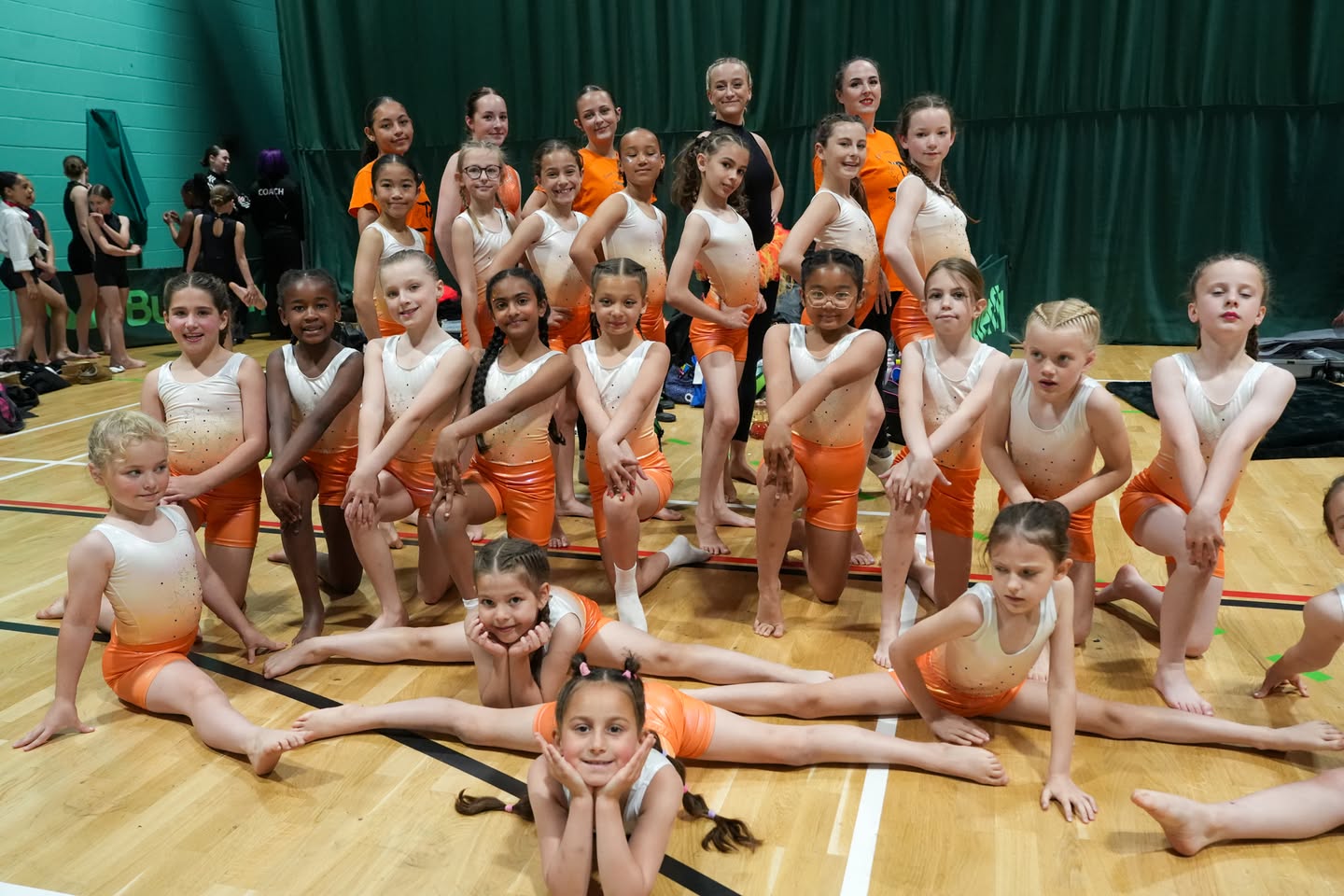
Swan Academy's Junior Squad brought their best to Flip Fest 2026 and walked away with the Best Choreography award. A proud day for the girls and the whole club.
Swan Academy's Junior Squad brought their best to Flip Fest 2026 and walked away with the Best Choreography award. A proud day for the girls and the whole club.
Wondering if your child is ready for a gymnastics holiday camp? Seven signs they are, what a camp day looks like and how to pack for it, for families in Stevenage, Hitchin and North Herts.
Discover why Great Britain has become one of the world’s leading gymnastics nations, how gymnastics benefits children and how to find September classes near Stevenage, Hitchin, Arlesey and North Hertfordshire.