
Why Young Rugby Players Should Try Gymnastics (What the Research Says)
Research on thousands of schoolboy rugby players shows balance, strength, jumping and landing training can dramatically cut injuries and concussions. Here is why gymnastics is a smart partner for rugby.

Rugby builds brilliant kids: brave, resilient, loyal to their team and never afraid to get muddy. But as a parent, it is natural to worry about the knocks and bumps that come with a contact sport.
The good news is that research from schools right here in England shows exactly what helps young rugby players stay safer, and a lot of it will sound very familiar to anyone who has watched a gymnastics class.
The landmark study from English schools
In one of the biggest studies of its kind, researchers worked with 40 English independent schools and 3,188 players aged 14 to 18 [1]. Half the teams did a short movement control programme before training and matches, made up of:
Balance training
Whole-body strength work
Jumping (plyometric) exercises
Practising controlled landings and changes of direction
The results were striking. Teams that completed the programme three or more times a week had 72% fewer match injuries and 59% fewer concussions than the comparison group [1].
That programme later became Activate, the warm-up promoted for school rugby. A follow-up study found players with high adherence had a 67% lower training injury rate and a 32% lower match injury rate than players with low adherence [2].
Why this matters for gymnastics
Look at that list again. Balance, whole-body strength, jumping and controlled landings. That is the core of every gymnastics session. A 2023 review of youth rugby injuries concluded that neuromuscular training is the most promising injury prevention strategy for young players, and found the tackle is the most common cause of injury [3].
Gymnastics does not replace a rugby warm-up, but it builds exactly the same qualities, week in, week out, while being genuinely fun.

Learning to fall safely
One of the first things young gymnasts learn is how to fall and roll safely, tucking the chin and spreading the impact. For a rugby player who will be tackled and go to ground hundreds of times a season, that body awareness is invaluable.
Strength, balance and power
Research across youth team sports shows that programmes built on strength, flexibility and stability exercises cut injuries by about a third [4]. Gymnastics also builds explosive power. A meta-analysis of youth team sport athletes found jump training improved sprinting, jumping and change of direction [5], the qualities that help a young player break a tackle or make one.
More than one sport is better
Children who play only one sport get injured more. A meta-analysis of 5,736 young athletes found single-sport specialisers had a 37% higher injury risk than those who played several sports [6]. Gymnastics adds variety and builds the whole body, not just the muscles rugby uses most.
What gymnastics gives a young rugby player
Balance to stay on their feet in contact.
Whole-body strength, especially core, shoulders and legs.
Safe falling and rolling technique.
Explosive power for acceleration and stepping.
Flexibility that helps protect muscles.
Body awareness for safer landings.
Try it in Stevenage
Swan Academy runs gymnastics for boys and girls at Nobel School in Stevenage. Gym 4 All is perfect for rugby players new to gymnastics, and trial sessions are £10. Book here, or get in touch with any questions.
References
Hislop et al. (2017). Reducing musculoskeletal injury and concussion risk in schoolboy rugby players with a pre-activity movement control exercise programme: a cluster randomised controlled trial. British Journal of Sports Medicine.
Barden et al. (2022). Effectiveness of the Activate injury prevention exercise programme to prevent injury in schoolboy rugby union. British Journal of Sports Medicine.
West et al. (2023). Injury Rates, Mechanisms, Risk Factors and Prevention Strategies in Youth Rugby Union: A Systematic Review and Meta-analysis. Sports Medicine.
Robles-Palazón et al. (2024). A systematic review and network meta-analysis on the effectiveness of exercise-based interventions for reducing the injury incidence in youth team-sport players. Part 1. Annals of Medicine.
Zhang et al. (2026). The effects of plyometric training on physical fitness in adolescent team sports: a systematic review and meta-analysis. Frontiers in Physiology.
Carder et al. (2020). The Concept of Sport Sampling Versus Sport Specialization: Preventing Youth Athlete Injury. The American Journal of Sports Medicine.
Rugby builds brilliant kids: brave, resilient, loyal to their team and never afraid to get muddy. But as a parent, it is natural to worry about the knocks and bumps that come with a contact sport.
The good news is that research from schools right here in England shows exactly what helps young rugby players stay safer, and a lot of it will sound very familiar to anyone who has watched a gymnastics class.
The landmark study from English schools
In one of the biggest studies of its kind, researchers worked with 40 English independent schools and 3,188 players aged 14 to 18 [1]. Half the teams did a short movement control programme before training and matches, made up of:
Balance training
Whole-body strength work
Jumping (plyometric) exercises
Practising controlled landings and changes of direction
The results were striking. Teams that completed the programme three or more times a week had 72% fewer match injuries and 59% fewer concussions than the comparison group [1].
That programme later became Activate, the warm-up promoted for school rugby. A follow-up study found players with high adherence had a 67% lower training injury rate and a 32% lower match injury rate than players with low adherence [2].
Why this matters for gymnastics
Look at that list again. Balance, whole-body strength, jumping and controlled landings. That is the core of every gymnastics session. A 2023 review of youth rugby injuries concluded that neuromuscular training is the most promising injury prevention strategy for young players, and found the tackle is the most common cause of injury [3].
Gymnastics does not replace a rugby warm-up, but it builds exactly the same qualities, week in, week out, while being genuinely fun.
Learning to fall safely
One of the first things young gymnasts learn is how to fall and roll safely, tucking the chin and spreading the impact. For a rugby player who will be tackled and go to ground hundreds of times a season, that body awareness is invaluable.
Strength, balance and power
Research across youth team sports shows that programmes built on strength, flexibility and stability exercises cut injuries by about a third [4]. Gymnastics also builds explosive power. A meta-analysis of youth team sport athletes found jump training improved sprinting, jumping and change of direction [5], the qualities that help a young player break a tackle or make one.
More than one sport is better
Children who play only one sport get injured more. A meta-analysis of 5,736 young athletes found single-sport specialisers had a 37% higher injury risk than those who played several sports [6]. Gymnastics adds variety and builds the whole body, not just the muscles rugby uses most.
What gymnastics gives a young rugby player
Balance to stay on their feet in contact.
Whole-body strength, especially core, shoulders and legs.
Safe falling and rolling technique.
Explosive power for acceleration and stepping.
Flexibility that helps protect muscles.
Body awareness for safer landings.
Try it in Stevenage
Swan Academy runs gymnastics for boys and girls at Nobel School in Stevenage. Gym 4 All is perfect for rugby players new to gymnastics, and trial sessions are £10. Book here, or get in touch with any questions.
References
Hislop et al. (2017). Reducing musculoskeletal injury and concussion risk in schoolboy rugby players with a pre-activity movement control exercise programme: a cluster randomised controlled trial. British Journal of Sports Medicine.
Barden et al. (2022). Effectiveness of the Activate injury prevention exercise programme to prevent injury in schoolboy rugby union. British Journal of Sports Medicine.
West et al. (2023). Injury Rates, Mechanisms, Risk Factors and Prevention Strategies in Youth Rugby Union: A Systematic Review and Meta-analysis. Sports Medicine.
Robles-Palazón et al. (2024). A systematic review and network meta-analysis on the effectiveness of exercise-based interventions for reducing the injury incidence in youth team-sport players. Part 1. Annals of Medicine.
Zhang et al. (2026). The effects of plyometric training on physical fitness in adolescent team sports: a systematic review and meta-analysis. Frontiers in Physiology.
Carder et al. (2020). The Concept of Sport Sampling Versus Sport Specialization: Preventing Youth Athlete Injury. The American Journal of Sports Medicine.
Author
Svetlana Lebedinskaya
Recent posts

Wondering if your child is ready for a gymnastics holiday camp? Seven signs they are, what a camp day looks like and how to pack for it, for families in Stevenage, Hitchin and North Herts.
Wondering if your child is ready for a gymnastics holiday camp? Seven signs they are, what a camp day looks like and how to pack for it, for families in Stevenage, Hitchin and North Herts.

Discover why Great Britain has become one of the world’s leading gymnastics nations, how gymnastics benefits children and how to find September classes near Stevenage, Hitchin, Arlesey and North Hertfordshire.
Discover why Great Britain has become one of the world’s leading gymnastics nations, how gymnastics benefits children and how to find September classes near Stevenage, Hitchin, Arlesey and North Hertfordshire.
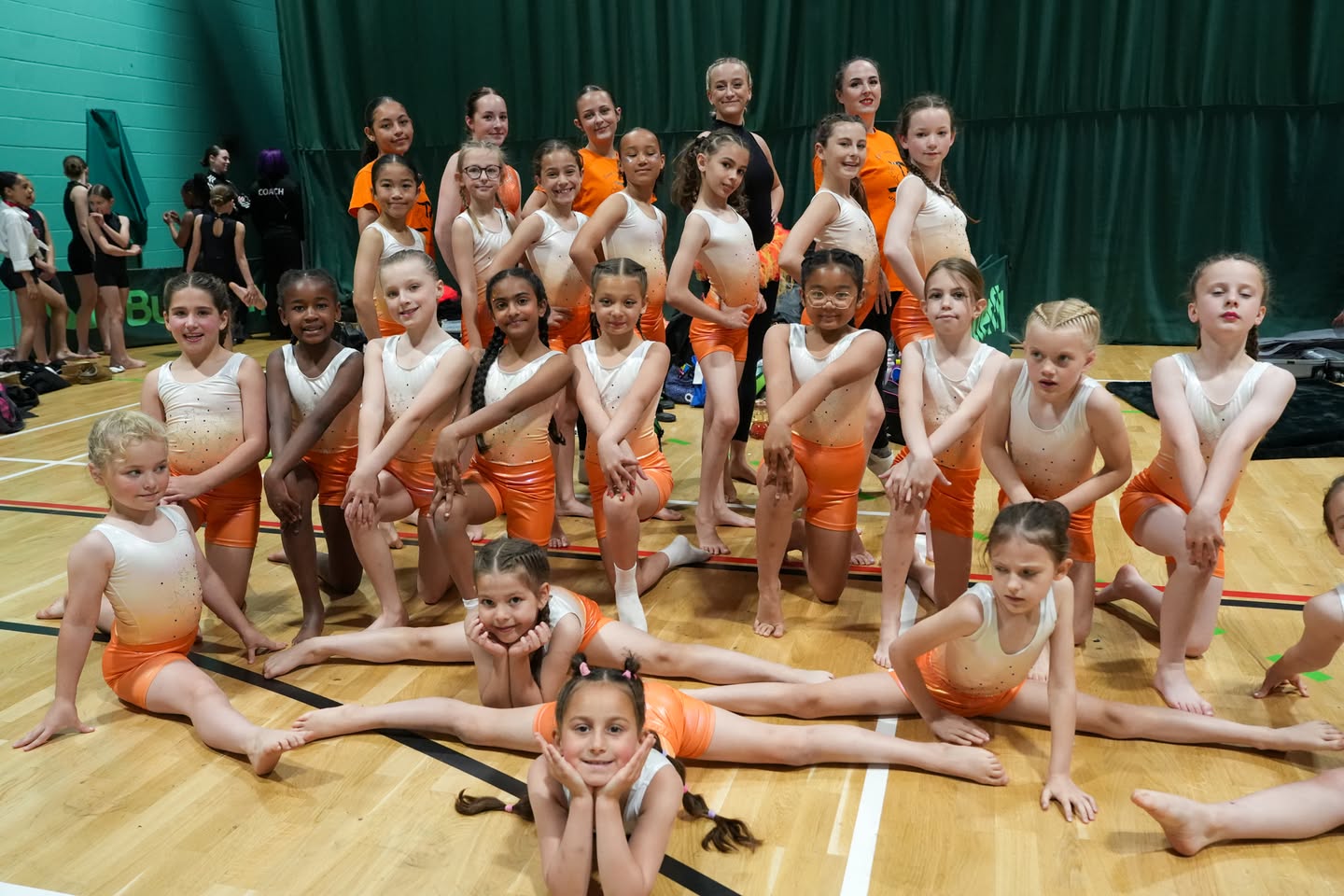
Swan Academy's Junior Squad brought their best to Flip Fest 2026 and walked away with the Best Choreography award. A proud day for the girls and the whole club.
Swan Academy's Junior Squad brought their best to Flip Fest 2026 and walked away with the Best Choreography award. A proud day for the girls and the whole club.
Wondering if your child is ready for a gymnastics holiday camp? Seven signs they are, what a camp day looks like and how to pack for it, for families in Stevenage, Hitchin and North Herts.
Discover why Great Britain has become one of the world’s leading gymnastics nations, how gymnastics benefits children and how to find September classes near Stevenage, Hitchin, Arlesey and North Hertfordshire.