
Why Young Dancers Should Try Gymnastics (What the Research Says)
Higher jumps, better balance and stronger, safer dancers. Research shows strength, balance and jump training improve dance performance. Here is why gymnastics and dance are the perfect pair.

Dancers and gymnasts have a lot in common. Grace, flexibility, strength, rhythm and a love of performing. So it is no surprise that many children love both. But did you know that adding gymnastics-style training can actually make your child a better dancer?
Here is what the research says.
Strength training makes better dancers
For years, some dancers avoided extra strength work, worried it would make them bulky or less graceful. The research says otherwise:
A 2024 meta-analysis of 36 studies found strength and conditioning significantly improved dancers’ lower body power, upper and lower body strength and flexibility [1].
In adolescent dancers, 9 weeks of strength training improved dynamic balance, strength and power, and their rated dance performance improved too, with no negative effect on artistry [2].
Young ballet dancers aged around 12 to 13 who did 16 weeks of bodyweight strength training significantly increased their jump height, while the group without it actually lost power [3].
Bodyweight strength training is exactly what gymnastics is built on.
Balance training helps dancers move better and stay safer
Balance is everything in dance, from holding a turn to landing a leap cleanly. A study of 124 adolescent dancers found a 10 week balance and proprioception programme improved balance, reach, jump height and landing stability compared with normal dance training alone [4]. Another study found combining balance and jump training was more effective than jump training alone at improving balance and reducing injury risk markers in dancers [5].
Beam work, holds and controlled landings in gymnastics train these same skills every session.

Gymnastics and dance build different strengths
Research comparing young children who did weekly gymnastics with those who did weekly ballet found differences in their motor skills, suggesting each activity develops movement in its own way [6]. Doing both gives children a broader, more complete set of movement skills.
What gymnastics gives a young dancer
Higher, more powerful jumps from tumbling and plyometric work.
Upper body strength for lifts, floor work and arm lines.
Core strength for control in turns and balances.
Confident landings that help protect knees and ankles.
Flexibility built safely and progressively.
Acrobatic skills like cartwheels, walkovers and handstands that look stunning in contemporary, jazz and commercial routines.
What dance gives a young gymnast
It works both ways. Dance builds rhythm, musicality, expression and performance quality, all of which make gymnastics routines shine. Our Junior Squad even won the Best Choreography award at Flip Fest 2026.
The best of both
Swan Academy offers gymnastics, tumbling and dance at Nobel School in Stevenage, so children can enjoy both under one roof. Gym 4 All is perfect for dancers new to gymnastics, and trial sessions are £10. Book here, or get in touch with any questions.
References
Ngo et al. (2024). Strength and conditioning in dance: A systematic review and meta-analysis. European Journal of Sport Science.
Dowse et al. (2017). Effects of a Resistance Training Intervention on Strength, Power, and Performance in Adolescent Dancers. Journal of Strength and Conditioning Research.
Ávila-Carvalho et al. (2022). The Effect of 16 Weeks of Lower-Limb Strength Training in Jumping Performance of Ballet Dancers. Frontiers in Physiology.
Mancini et al. (2025). Effects of a Proprioceptive Training Program on Dynamic Balance and Neuromotor Performance in Adolescent Latin American Dancers. Sports.
Yan et al. (2025). The effect of 12-week combined balance and plyometric training on dynamic balance and lower extremity injury risk in college dancers. Frontiers in Physiology.
Oka et al. (2025). Comparison of motor performance in typically developing children engaged in gymnastics and classical ballet. Journal of Physical Therapy Science.
Dancers and gymnasts have a lot in common. Grace, flexibility, strength, rhythm and a love of performing. So it is no surprise that many children love both. But did you know that adding gymnastics-style training can actually make your child a better dancer?
Here is what the research says.
Strength training makes better dancers
For years, some dancers avoided extra strength work, worried it would make them bulky or less graceful. The research says otherwise:
A 2024 meta-analysis of 36 studies found strength and conditioning significantly improved dancers’ lower body power, upper and lower body strength and flexibility [1].
In adolescent dancers, 9 weeks of strength training improved dynamic balance, strength and power, and their rated dance performance improved too, with no negative effect on artistry [2].
Young ballet dancers aged around 12 to 13 who did 16 weeks of bodyweight strength training significantly increased their jump height, while the group without it actually lost power [3].
Bodyweight strength training is exactly what gymnastics is built on.
Balance training helps dancers move better and stay safer
Balance is everything in dance, from holding a turn to landing a leap cleanly. A study of 124 adolescent dancers found a 10 week balance and proprioception programme improved balance, reach, jump height and landing stability compared with normal dance training alone [4]. Another study found combining balance and jump training was more effective than jump training alone at improving balance and reducing injury risk markers in dancers [5].
Beam work, holds and controlled landings in gymnastics train these same skills every session.
Gymnastics and dance build different strengths
Research comparing young children who did weekly gymnastics with those who did weekly ballet found differences in their motor skills, suggesting each activity develops movement in its own way [6]. Doing both gives children a broader, more complete set of movement skills.
What gymnastics gives a young dancer
Higher, more powerful jumps from tumbling and plyometric work.
Upper body strength for lifts, floor work and arm lines.
Core strength for control in turns and balances.
Confident landings that help protect knees and ankles.
Flexibility built safely and progressively.
Acrobatic skills like cartwheels, walkovers and handstands that look stunning in contemporary, jazz and commercial routines.
What dance gives a young gymnast
It works both ways. Dance builds rhythm, musicality, expression and performance quality, all of which make gymnastics routines shine. Our Junior Squad even won the Best Choreography award at Flip Fest 2026.
The best of both
Swan Academy offers gymnastics, tumbling and dance at Nobel School in Stevenage, so children can enjoy both under one roof. Gym 4 All is perfect for dancers new to gymnastics, and trial sessions are £10. Book here, or get in touch with any questions.
References
Ngo et al. (2024). Strength and conditioning in dance: A systematic review and meta-analysis. European Journal of Sport Science.
Dowse et al. (2017). Effects of a Resistance Training Intervention on Strength, Power, and Performance in Adolescent Dancers. Journal of Strength and Conditioning Research.
Ávila-Carvalho et al. (2022). The Effect of 16 Weeks of Lower-Limb Strength Training in Jumping Performance of Ballet Dancers. Frontiers in Physiology.
Mancini et al. (2025). Effects of a Proprioceptive Training Program on Dynamic Balance and Neuromotor Performance in Adolescent Latin American Dancers. Sports.
Yan et al. (2025). The effect of 12-week combined balance and plyometric training on dynamic balance and lower extremity injury risk in college dancers. Frontiers in Physiology.
Oka et al. (2025). Comparison of motor performance in typically developing children engaged in gymnastics and classical ballet. Journal of Physical Therapy Science.
Author
Svetlana Lebedinskaya
Recent posts

Wondering if your child is ready for a gymnastics holiday camp? Seven signs they are, what a camp day looks like and how to pack for it, for families in Stevenage, Hitchin and North Herts.
Wondering if your child is ready for a gymnastics holiday camp? Seven signs they are, what a camp day looks like and how to pack for it, for families in Stevenage, Hitchin and North Herts.

Discover why Great Britain has become one of the world’s leading gymnastics nations, how gymnastics benefits children and how to find September classes near Stevenage, Hitchin, Arlesey and North Hertfordshire.
Discover why Great Britain has become one of the world’s leading gymnastics nations, how gymnastics benefits children and how to find September classes near Stevenage, Hitchin, Arlesey and North Hertfordshire.
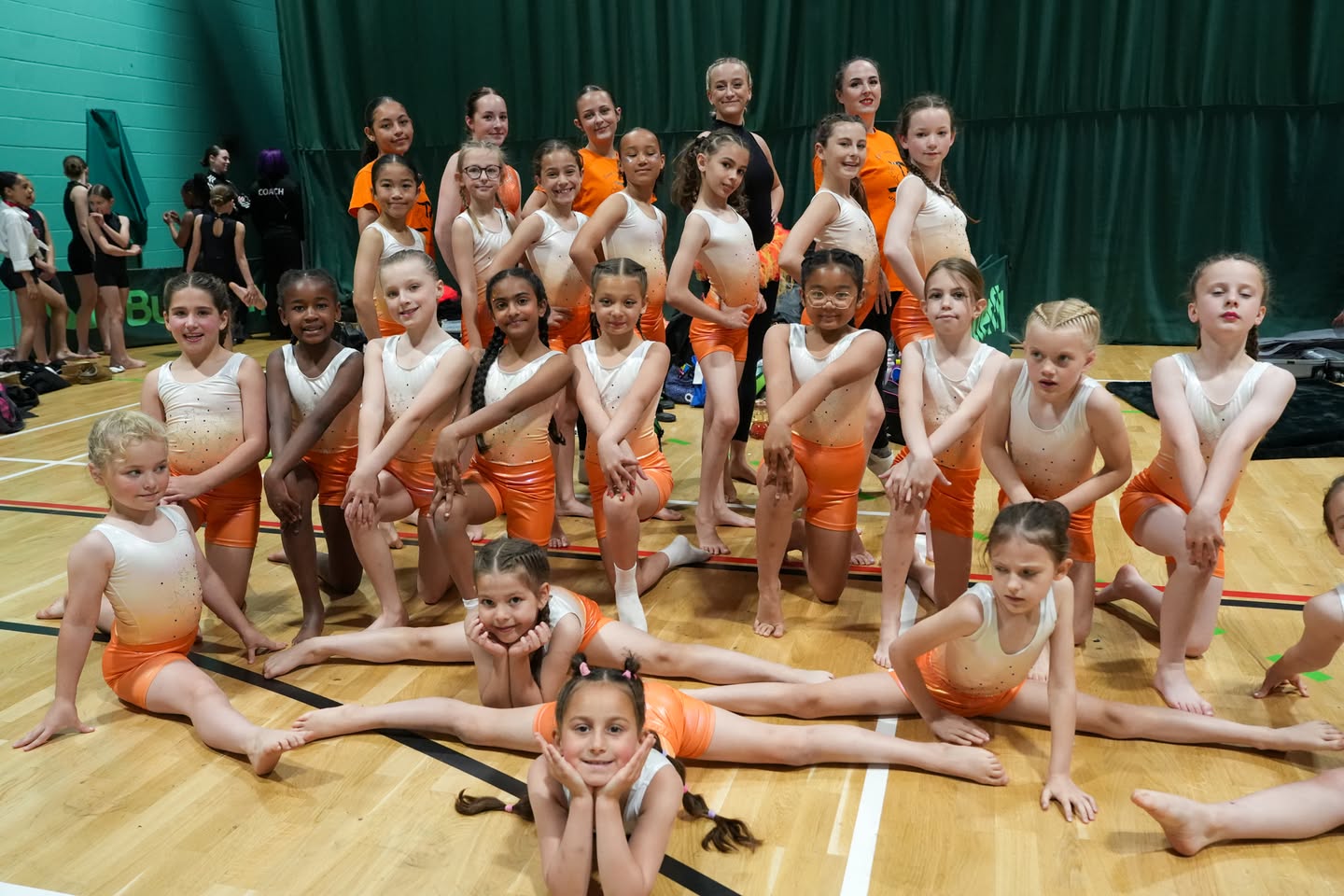
Swan Academy's Junior Squad brought their best to Flip Fest 2026 and walked away with the Best Choreography award. A proud day for the girls and the whole club.
Swan Academy's Junior Squad brought their best to Flip Fest 2026 and walked away with the Best Choreography award. A proud day for the girls and the whole club.
Wondering if your child is ready for a gymnastics holiday camp? Seven signs they are, what a camp day looks like and how to pack for it, for families in Stevenage, Hitchin and North Herts.
Discover why Great Britain has become one of the world’s leading gymnastics nations, how gymnastics benefits children and how to find September classes near Stevenage, Hitchin, Arlesey and North Hertfordshire.