
How to Keep Children Safe During Gymnastics and Exercise
Keeping children safe during gymnastics and exercise is something every parent and coach should understand. Swan Academy shares its top tips for injury prevention and safe training.
How to Keep Children Safe During Gymnastics and Exercise
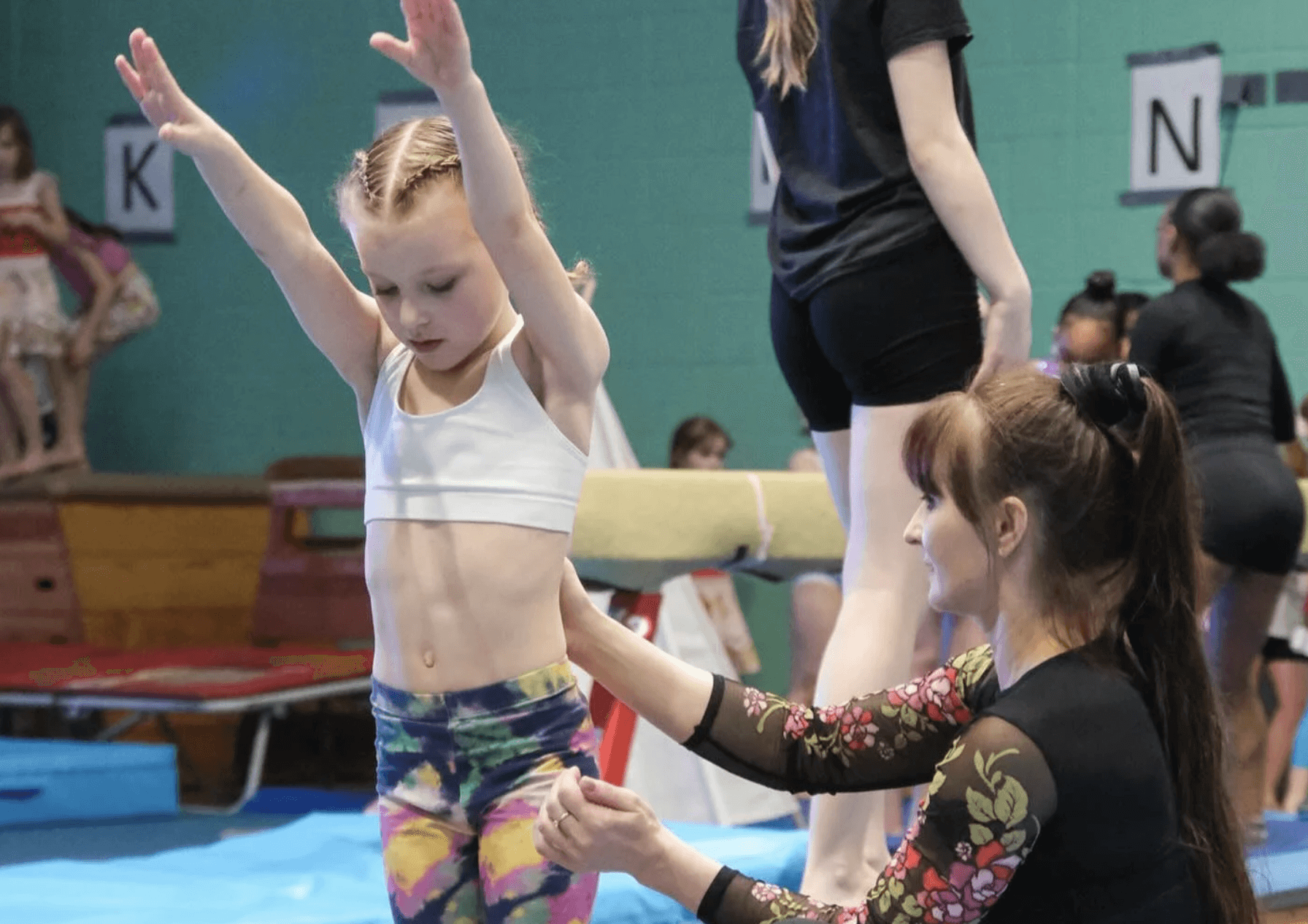
At Swan Academy, the safety and wellbeing of every child in our programme is the foundation everything else is built on. We use professionally maintained equipment, every coach holds a current DBS certificate and up-to-date safeguarding certification, and every session is structured to progress children safely through skills that are appropriate for their age, ability and physical development.
But keeping children safe during gymnastics and exercise is not just the club's responsibility. There is a lot parents can do at home and in the gym environment to reduce injury risk and help children develop a healthy, sustainable relationship with physical activity.
Here are our top tips from decades of coaching experience at the highest levels of the sport.
1. Always Warm Up First
This is the single most important habit to build in any child who does physical activity. Jumping straight into strenuous movement without warming up the muscles, joints and cardiovascular system significantly increases the risk of strains, sprains and soft tissue injuries.
A warm-up does not need to be complicated. Before any gymnastics practice, PE class or physical activity, try this simple routine:
10 jumping jacks. 5 arm circles in each direction. 20 high knees. 5 lunges on each side. Light jogging on the spot for 30 seconds.
Repeat this twice and your child's body will be primed and ready to move safely. At Swan Academy every session begins with a structured warm-up led by our coaching team. It is non-negotiable.
2. Cool Down After Every Session
Cooling down after exercise is just as important as warming up beforehand and is one of the most commonly skipped parts of a training session. Cooling down allows the body to return to its resting state gradually, reduces muscle soreness and helps children relax physically and mentally after intense activity.
Some simple cool-down exercises to try at home:
Cat stretch -- on all fours, alternate between arching the back upward and letting it dip downward, breathing steadily throughout. This is particularly good for the spine after gymnastics. Standing forward fold -- reach down toward the toes and hold for 20 seconds, breathing slowly. Quad stretch -- standing on one leg, hold the opposite ankle behind you for 20 seconds each side. Child's pose -- kneel and reach both arms forward along the floor, holding for 30 seconds. This is a favourite at Swan Academy after training.
3. Focus on Technique, Not Just Progression
One of the most common causes of injury in gymnastics and sport generally is progressing to harder skills before the foundations are solid. A child who attempts a back walkover before they have the strength, flexibility and body awareness to perform it safely is at real risk of injury.
At Swan Academy every skill is built progressively. Coaches assess readiness before moving a gymnast to the next level -- not just whether they can attempt the skill, but whether their body is genuinely prepared to do it safely and consistently. This approach takes longer in the short term but protects children from the injuries that come from rushing.
If your child practises at home, encourage them to focus on the skills they are already confident with rather than attempting new ones unsupervised. New skills should always be introduced and spotted by a qualified coach.
4. Do Not Specialise Too Early
Early specialisation in a single sport from a young age carries real physical risks for children whose bones and muscles are still developing. Repeating the same movement patterns intensively over many hours every week can cause overuse injuries -- stress fractures, tendinitis and joint problems -- that are increasingly common in young athletes who specialise too early.
The best approach for most children is to do a variety of activities, at least until early adolescence. Variety spreads the physical load across different movement patterns, develops a more complete physical foundation and keeps sport enjoyable rather than a source of pressure.
At Swan Academy our competitive Junior Squad gymnasts train seriously and with genuine commitment. But even they benefit from having had a broad sporting background in their earlier years. The physical foundations built across multiple activities make them more robust and better developed athletes.
5. Create a Safe Environment at Home
Many gymnastics injuries happen not in the gym but at home, when children practise unsupervised on hard floors, garden trampolines or improvised equipment. As a parent, it is worth having a clear conversation about what is and is not safe to practise at home.
Generally speaking, basic stretching, handstands against a wall, cartwheels on grass and simple balances are reasonable for supervised home practice. Anything involving backward or forward flipping, aerial elements, bar work or beam skills should only ever be attempted under the supervision of a qualified coach with proper matting and spotting in place.
If your child wants to practise at home, encourage them to focus on flexibility work, strength exercises and the fundamental shapes their coaches have already taught them. This keeps them active and engaged without putting them in situations that carry real risk.
6. Encourage Active Recovery
Rest days are not wasted days. The body gets stronger, more flexible and more capable during rest and recovery, not during training. Children who train multiple days per week need adequate sleep, proper nutrition and at least one or two genuine rest days to allow their bodies to adapt and grow.
Active recovery -- gentle movement like walking, swimming or easy stretching on rest days -- is also excellent for young athletes. It keeps the body moving without adding load, supports recovery and maintains the habit of daily physical activity.
7. Teach Children to Listen to Their Bodies
One of the most valuable things any child can learn through sport is how to distinguish between normal training discomfort and genuine pain that needs attention. Muscle fatigue and mild soreness after a hard session are normal. Sharp pain, joint pain, persistent pain or pain that changes how a child moves is a signal to stop.
At Swan Academy we actively coach children to communicate with us about how their bodies feel. No child is ever pushed through genuine pain, and any injury -- however minor -- is taken seriously. We apply a precautionary approach: when in doubt, rest and assess before continuing.
Teach your child at home to use this simple rule: discomfort is normal, pain is a stop signal. Developing this awareness early creates athletes who manage their bodies intelligently throughout their sporting lives.
8. Hydration and Fuelling
Dehydrated muscles are more prone to cramp and injury. Children should arrive at every gymnastics session already well hydrated and should have water available throughout. As a general guide, children should drink water steadily throughout the day rather than trying to catch up immediately before a session.
Nutrition matters too. A child who arrives at training having not eaten properly will fatigue faster, concentrate less effectively and be at greater risk of injury. A light, balanced meal or snack one to two hours before training -- something with carbohydrates, a small amount of protein and minimal heavy fat -- is ideal.
9. If an Injury Does Happen: RICE
Despite every precaution, injuries do sometimes happen in gymnastics and sport. For most soft tissue injuries -- sprains, strains and minor muscle injuries -- the RICE method is the recommended immediate response.
Rest -- stop the activity immediately. Do not try to push through. Ice -- apply an ice pack or frozen peas wrapped in a cloth to the affected area for 15 to 20 minutes. Never apply ice directly to the skin. Compression -- a light bandage can help reduce swelling if available. Elevation -- raise the injured limb above the level of the heart where possible.
For any injury involving the head, neck, spine or joints, or any injury where there is significant swelling, deformity or the child cannot bear weight, seek medical attention immediately. At Swan Academy our coaches are trained in first aid and follow a clear injury response protocol for every session.
Safety Is Built Into Everything We Do
Swan Academy is affiliated with the Independent Gymnastics Association, which provides personal accident insurance for every registered member. Every coach holds minimum Level 2 qualifications, a current DBS certificate and up-to-date safeguarding and first aid certification. Every session is structured, supervised and progressive.
We take safety seriously not because we have to, but because every child in our club deserves to train in an environment where they can develop without unnecessary risk.
Book a taster session today or contact us at info@swangymnastics.co.uk.
Swan Academy. Nobel School Sports Centre, Mobbsbury Way, Stevenage, SG2 0HS. Phone: +44 7418 610429.
How to Keep Children Safe During Gymnastics and Exercise
At Swan Academy, the safety and wellbeing of every child in our programme is the foundation everything else is built on. We use professionally maintained equipment, every coach holds a current DBS certificate and up-to-date safeguarding certification, and every session is structured to progress children safely through skills that are appropriate for their age, ability and physical development.
But keeping children safe during gymnastics and exercise is not just the club's responsibility. There is a lot parents can do at home and in the gym environment to reduce injury risk and help children develop a healthy, sustainable relationship with physical activity.
Here are our top tips from decades of coaching experience at the highest levels of the sport.
1. Always Warm Up First
This is the single most important habit to build in any child who does physical activity. Jumping straight into strenuous movement without warming up the muscles, joints and cardiovascular system significantly increases the risk of strains, sprains and soft tissue injuries.
A warm-up does not need to be complicated. Before any gymnastics practice, PE class or physical activity, try this simple routine:
10 jumping jacks. 5 arm circles in each direction. 20 high knees. 5 lunges on each side. Light jogging on the spot for 30 seconds.
Repeat this twice and your child's body will be primed and ready to move safely. At Swan Academy every session begins with a structured warm-up led by our coaching team. It is non-negotiable.
2. Cool Down After Every Session
Cooling down after exercise is just as important as warming up beforehand and is one of the most commonly skipped parts of a training session. Cooling down allows the body to return to its resting state gradually, reduces muscle soreness and helps children relax physically and mentally after intense activity.
Some simple cool-down exercises to try at home:
Cat stretch -- on all fours, alternate between arching the back upward and letting it dip downward, breathing steadily throughout. This is particularly good for the spine after gymnastics. Standing forward fold -- reach down toward the toes and hold for 20 seconds, breathing slowly. Quad stretch -- standing on one leg, hold the opposite ankle behind you for 20 seconds each side. Child's pose -- kneel and reach both arms forward along the floor, holding for 30 seconds. This is a favourite at Swan Academy after training.
3. Focus on Technique, Not Just Progression
One of the most common causes of injury in gymnastics and sport generally is progressing to harder skills before the foundations are solid. A child who attempts a back walkover before they have the strength, flexibility and body awareness to perform it safely is at real risk of injury.
At Swan Academy every skill is built progressively. Coaches assess readiness before moving a gymnast to the next level -- not just whether they can attempt the skill, but whether their body is genuinely prepared to do it safely and consistently. This approach takes longer in the short term but protects children from the injuries that come from rushing.
If your child practises at home, encourage them to focus on the skills they are already confident with rather than attempting new ones unsupervised. New skills should always be introduced and spotted by a qualified coach.
4. Do Not Specialise Too Early
Early specialisation in a single sport from a young age carries real physical risks for children whose bones and muscles are still developing. Repeating the same movement patterns intensively over many hours every week can cause overuse injuries -- stress fractures, tendinitis and joint problems -- that are increasingly common in young athletes who specialise too early.
The best approach for most children is to do a variety of activities, at least until early adolescence. Variety spreads the physical load across different movement patterns, develops a more complete physical foundation and keeps sport enjoyable rather than a source of pressure.
At Swan Academy our competitive Junior Squad gymnasts train seriously and with genuine commitment. But even they benefit from having had a broad sporting background in their earlier years. The physical foundations built across multiple activities make them more robust and better developed athletes.
5. Create a Safe Environment at Home
Many gymnastics injuries happen not in the gym but at home, when children practise unsupervised on hard floors, garden trampolines or improvised equipment. As a parent, it is worth having a clear conversation about what is and is not safe to practise at home.
Generally speaking, basic stretching, handstands against a wall, cartwheels on grass and simple balances are reasonable for supervised home practice. Anything involving backward or forward flipping, aerial elements, bar work or beam skills should only ever be attempted under the supervision of a qualified coach with proper matting and spotting in place.
If your child wants to practise at home, encourage them to focus on flexibility work, strength exercises and the fundamental shapes their coaches have already taught them. This keeps them active and engaged without putting them in situations that carry real risk.
6. Encourage Active Recovery
Rest days are not wasted days. The body gets stronger, more flexible and more capable during rest and recovery, not during training. Children who train multiple days per week need adequate sleep, proper nutrition and at least one or two genuine rest days to allow their bodies to adapt and grow.
Active recovery -- gentle movement like walking, swimming or easy stretching on rest days -- is also excellent for young athletes. It keeps the body moving without adding load, supports recovery and maintains the habit of daily physical activity.
7. Teach Children to Listen to Their Bodies
One of the most valuable things any child can learn through sport is how to distinguish between normal training discomfort and genuine pain that needs attention. Muscle fatigue and mild soreness after a hard session are normal. Sharp pain, joint pain, persistent pain or pain that changes how a child moves is a signal to stop.
At Swan Academy we actively coach children to communicate with us about how their bodies feel. No child is ever pushed through genuine pain, and any injury -- however minor -- is taken seriously. We apply a precautionary approach: when in doubt, rest and assess before continuing.
Teach your child at home to use this simple rule: discomfort is normal, pain is a stop signal. Developing this awareness early creates athletes who manage their bodies intelligently throughout their sporting lives.
8. Hydration and Fuelling
Dehydrated muscles are more prone to cramp and injury. Children should arrive at every gymnastics session already well hydrated and should have water available throughout. As a general guide, children should drink water steadily throughout the day rather than trying to catch up immediately before a session.
Nutrition matters too. A child who arrives at training having not eaten properly will fatigue faster, concentrate less effectively and be at greater risk of injury. A light, balanced meal or snack one to two hours before training -- something with carbohydrates, a small amount of protein and minimal heavy fat -- is ideal.
9. If an Injury Does Happen: RICE
Despite every precaution, injuries do sometimes happen in gymnastics and sport. For most soft tissue injuries -- sprains, strains and minor muscle injuries -- the RICE method is the recommended immediate response.
Rest -- stop the activity immediately. Do not try to push through. Ice -- apply an ice pack or frozen peas wrapped in a cloth to the affected area for 15 to 20 minutes. Never apply ice directly to the skin. Compression -- a light bandage can help reduce swelling if available. Elevation -- raise the injured limb above the level of the heart where possible.
For any injury involving the head, neck, spine or joints, or any injury where there is significant swelling, deformity or the child cannot bear weight, seek medical attention immediately. At Swan Academy our coaches are trained in first aid and follow a clear injury response protocol for every session.
Safety Is Built Into Everything We Do
Swan Academy is affiliated with the Independent Gymnastics Association, which provides personal accident insurance for every registered member. Every coach holds minimum Level 2 qualifications, a current DBS certificate and up-to-date safeguarding and first aid certification. Every session is structured, supervised and progressive.
We take safety seriously not because we have to, but because every child in our club deserves to train in an environment where they can develop without unnecessary risk.
Book a taster session today or contact us at info@swangymnastics.co.uk.
Swan Academy. Nobel School Sports Centre, Mobbsbury Way, Stevenage, SG2 0HS. Phone: +44 7418 610429.
Recent posts

Discover why Great Britain has become one of the world’s leading gymnastics nations, how gymnastics benefits children and how to find September classes near Stevenage, Hitchin, Arlesey and North Hertfordshire.
Discover why Great Britain has become one of the world’s leading gymnastics nations, how gymnastics benefits children and how to find September classes near Stevenage, Hitchin, Arlesey and North Hertfordshire.
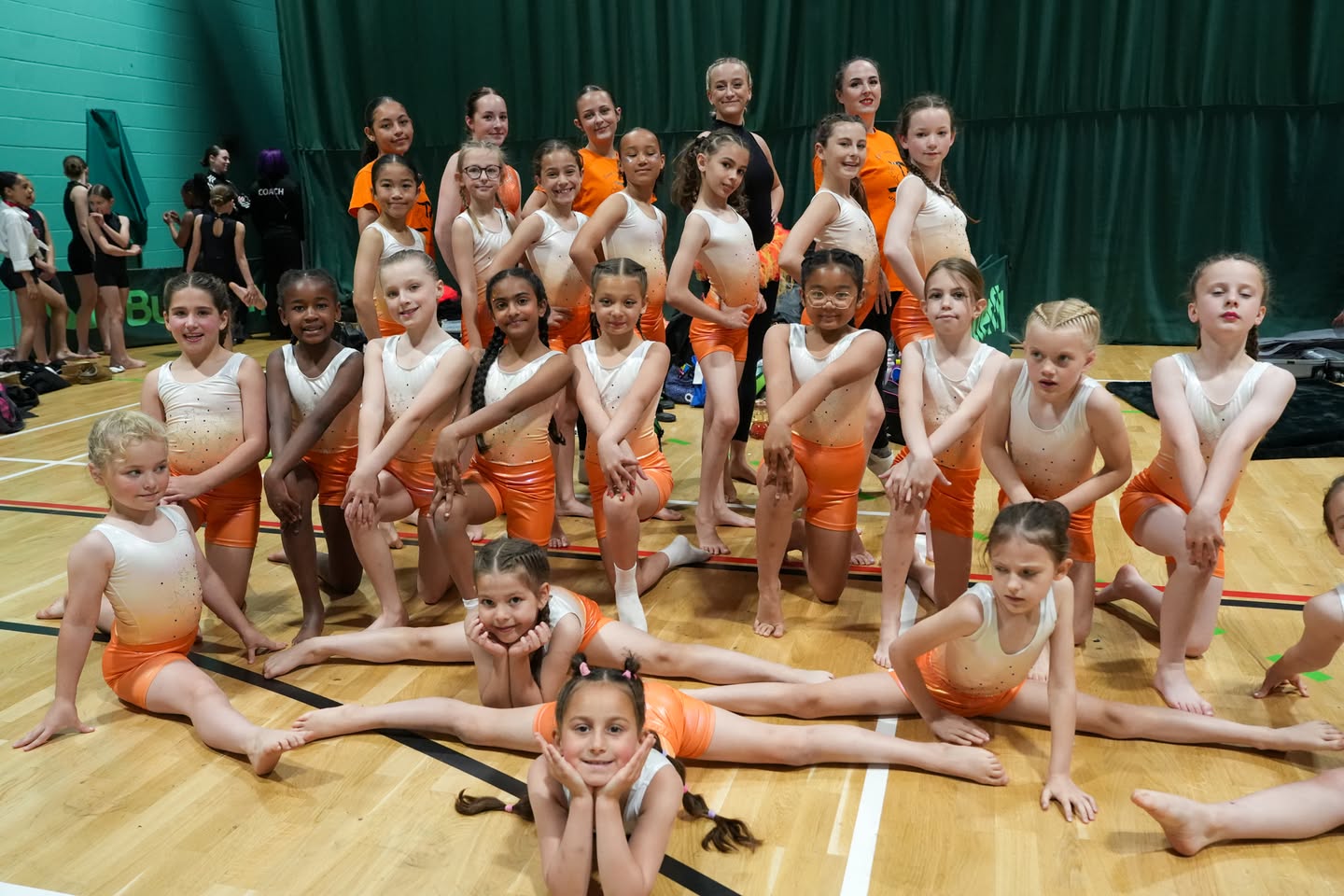
Swan Academy's Junior Squad brought their best to Flip Fest 2026 and walked away with the Best Choreography award. A proud day for the girls and the whole club.
Swan Academy's Junior Squad brought their best to Flip Fest 2026 and walked away with the Best Choreography award. A proud day for the girls and the whole club.

Looking for gymnastics in Stevenage, Hitchin, Arlesey or the surrounding Hertfordshire area? Discover the benefits of returning to gymnastics, useful back-to-school tips and essential kit to help your child begin the new term with confidence.
Looking for gymnastics in Stevenage, Hitchin, Arlesey or the surrounding Hertfordshire area? Discover the benefits of returning to gymnastics, useful back-to-school tips and essential kit to help your child begin the new term with confidence.
Discover why Great Britain has become one of the world’s leading gymnastics nations, how gymnastics benefits children and how to find September classes near Stevenage, Hitchin, Arlesey and North Hertfordshire.
Swan Academy's Junior Squad brought their best to Flip Fest 2026 and walked away with the Best Choreography award. A proud day for the girls and the whole club.