
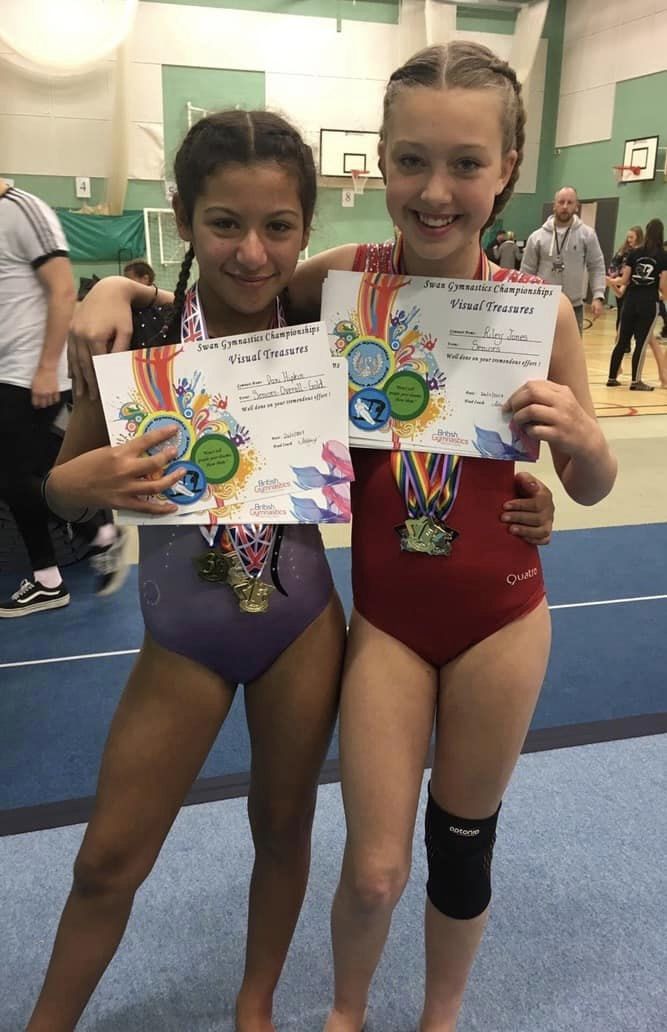
Gymnastics vs Dance for Children: Which Is Right for Your Child?
It is a decision many parents in Stevenage face every year. Your child is ready to start a structured activity. They are energetic, they love movement, and they have expressed some interest in both gymnastics and dance. Both look appealing. Both seem to develop similar things. But they are meaningfully different -- in what they develop physically, in how sessions are structured, in the demands they make on a child, and in the kind of child who tends to thrive in each.
At Swan Academy, we offer both. We are not in the business of telling every parent their child should do one over the other. What we will do is give you an honest, informed breakdown so you can make the right decision for your child, or decide that they should try both.
What Gymnastics Develops
Gymnastics is primarily a sport built on physical control, strength and technical skill. Every element of gymnastics -- floor, beam, bars, vault -- requires the gymnast to control their body precisely, apply significant physical force and execute movements that have been technically coached and refined over time.
The physical development gymnastics produces is comprehensive. Children who train consistently build genuine upper body and core strength, full-body flexibility, coordination, balance and spatial awareness at a level that few other activities match. The sport also develops mental qualities that are directly tied to its physical demands -- discipline, the ability to take instruction, resilience in the face of failure, and the confidence that comes from mastering something genuinely difficult.
Gymnastics is also highly structured. Sessions are coach-led. Skills are taught progressively, built upon each week. Progress is tracked and assessed. There are clear goals at every level. For children who respond well to structure, who are motivated by measurable progress and who enjoy the satisfaction of mastering technical skills, gymnastics tends to be an excellent fit.
Competition is an option in gymnastics but not a requirement. The majority of Swan Academy gymnasts train recreationally and never compete. For those who do want to compete, Swan Academy offers a clear competitive pathway from Development Squad through to Junior Squad.
What Dance Develops
Dance -- depending on the style -- develops a different set of physical and creative qualities. Rhythmic awareness, musicality, expression, performance confidence and aesthetic physical control are central to most dance disciplines. Where gymnastics tends to develop power and structural precision, dance tends to develop fluidity, timing and the ability to communicate through movement.
The physical development dance produces is significant. Flexibility, balance, coordination and physical awareness are all developed through dance training, particularly in ballet and contemporary styles. Dance tends to produce a slightly different physical profile to gymnastics, leaning toward elongated, expressive movement patterns rather than the power-based gymnastic shapes the sport produces.
Dance also tends to have a stronger creative and expressive component than gymnastics. Children who are drawn to performance, who enjoy music, who have a natural sense of rhythm and who want an outlet for creative expression often respond particularly well to dance. The environment in a good dance class tends to feel slightly less prescribed than a gymnastics session. There is more space for individual interpretation and expression within the structure of the class.
The Physical Overlap
Gymnastics and dance are not completely separate disciplines. Floor gymnastics in particular has significant overlap with dance. Competition floor routines combine tumbling and acrobatics with choreography, music and performance. Many Swan Academy gymnasts also dance, and the skills transfer meaningfully in both directions.
Gymnastics builds physical foundations -- strength, flexibility, body awareness, coordination -- that make learning dance significantly easier. Dancers who cross-train in gymnastics develop physical control and core strength that improves their dance technique. If your child is genuinely interested in both, there is a strong case for doing both, and Swan Academy is one of the few clubs in Hertfordshire where that is possible under one roof.
Which Type of Child Tends to Suit Gymnastics
Children who tend to thrive in gymnastics are typically those who are physically adventurous and enjoy challenge, who respond well to structured coaching and measurable progress, who are motivated by skill mastery rather than performance and expression, and who have the patience to work on a skill over multiple sessions before achieving it.
Gymnastics is not always easy. It requires consistent effort and the ability to handle frustration. Children who give up quickly when something does not come immediately can find gymnastics challenging. Though in our experience, the right coaching environment can develop resilience in children who would not have shown it naturally. The gymnasts who tend to get the most from the sport are those with genuine persistence.
Which Type of Child Tends to Suit Dance
Children who tend to thrive in dance are typically those who are drawn to music and performance, who enjoy creative expression and have a natural sense of rhythm, who are comfortable being watched and performing in front of others, and who are motivated by the feeling of moving well rather than by technical mastery for its own sake.
Dance tends to be a more naturally social activity in terms of how it is experienced -- group choreography, shared performance, the collaborative experience of putting a routine together. Children who enjoy the social and performance aspects of activity often find dance deeply rewarding.
Can My Child Do Both?
Absolutely, and at Swan Academy, many do. We offer both gymnastics and dance classes, and we actively encourage children who show aptitude and interest in both to pursue both. The cross-training benefit is genuine. Gymnasts who dance develop better performance quality, musicality and expression. Dancers who do gymnastics develop better physical control, strength and body awareness.
The practical consideration is time. Both activities require regular attendance to develop and progress. If your child is doing both, make sure the combined schedule is manageable and that they are genuinely enjoying both rather than feeling overstretched. The right amount of activity is the amount your child looks forward to each week.
Why Swan Academy Offers Both
Swan Academy was built around the belief that movement develops children -- physically, mentally and emotionally -- in ways that go beyond any single sport or discipline. Gymnastics and dance are complementary in what they offer, and having both available at Swan Academy under the same coaching team means that children who are passionate about movement can explore and develop across both disciplines in a joined-up way.
Our gymnastics is led by Svetlana Lebedinskaya and our coaching team, all holding minimum Level 2 qualifications with current DBS and safeguarding certifications. Our dance classes bring the same standard of professional coaching to a different kind of movement.
Making the Decision
If you are still not sure, the simplest answer is to try both. Swan Academy offers taster sessions that let your child experience a class before committing. Many parents find the decision makes itself once their child has been in the room. You will see very quickly which environment they respond to, which activities light them up and where they want to come back to.
If your child is leaning toward gymnastics, book a gymnastics taster here. If they want to try dance, contact us and we will point you to the right class.
Swan Academy. Nobel School Sports Centre, Mobbsbury Way, Stevenage, SG2 0HS. Email: info@swangymnastics.co.uk. Phone: +44 7418 610429.
Gymnastics vs Dance for Children: Which Is Right for Your Child?
It is a decision many parents in Stevenage face every year. Your child is ready to start a structured activity. They are energetic, they love movement, and they have expressed some interest in both gymnastics and dance. Both look appealing. Both seem to develop similar things. But they are meaningfully different -- in what they develop physically, in how sessions are structured, in the demands they make on a child, and in the kind of child who tends to thrive in each.
At Swan Academy, we offer both. We are not in the business of telling every parent their child should do one over the other. What we will do is give you an honest, informed breakdown so you can make the right decision for your child, or decide that they should try both.
What Gymnastics Develops
Gymnastics is primarily a sport built on physical control, strength and technical skill. Every element of gymnastics -- floor, beam, bars, vault -- requires the gymnast to control their body precisely, apply significant physical force and execute movements that have been technically coached and refined over time.
The physical development gymnastics produces is comprehensive. Children who train consistently build genuine upper body and core strength, full-body flexibility, coordination, balance and spatial awareness at a level that few other activities match. The sport also develops mental qualities that are directly tied to its physical demands -- discipline, the ability to take instruction, resilience in the face of failure, and the confidence that comes from mastering something genuinely difficult.
Gymnastics is also highly structured. Sessions are coach-led. Skills are taught progressively, built upon each week. Progress is tracked and assessed. There are clear goals at every level. For children who respond well to structure, who are motivated by measurable progress and who enjoy the satisfaction of mastering technical skills, gymnastics tends to be an excellent fit.
Competition is an option in gymnastics but not a requirement. The majority of Swan Academy gymnasts train recreationally and never compete. For those who do want to compete, Swan Academy offers a clear competitive pathway from Development Squad through to Junior Squad.
What Dance Develops
Dance -- depending on the style -- develops a different set of physical and creative qualities. Rhythmic awareness, musicality, expression, performance confidence and aesthetic physical control are central to most dance disciplines. Where gymnastics tends to develop power and structural precision, dance tends to develop fluidity, timing and the ability to communicate through movement.
The physical development dance produces is significant. Flexibility, balance, coordination and physical awareness are all developed through dance training, particularly in ballet and contemporary styles. Dance tends to produce a slightly different physical profile to gymnastics, leaning toward elongated, expressive movement patterns rather than the power-based gymnastic shapes the sport produces.
Dance also tends to have a stronger creative and expressive component than gymnastics. Children who are drawn to performance, who enjoy music, who have a natural sense of rhythm and who want an outlet for creative expression often respond particularly well to dance. The environment in a good dance class tends to feel slightly less prescribed than a gymnastics session. There is more space for individual interpretation and expression within the structure of the class.
The Physical Overlap
Gymnastics and dance are not completely separate disciplines. Floor gymnastics in particular has significant overlap with dance. Competition floor routines combine tumbling and acrobatics with choreography, music and performance. Many Swan Academy gymnasts also dance, and the skills transfer meaningfully in both directions.
Gymnastics builds physical foundations -- strength, flexibility, body awareness, coordination -- that make learning dance significantly easier. Dancers who cross-train in gymnastics develop physical control and core strength that improves their dance technique. If your child is genuinely interested in both, there is a strong case for doing both, and Swan Academy is one of the few clubs in Hertfordshire where that is possible under one roof.
Which Type of Child Tends to Suit Gymnastics
Children who tend to thrive in gymnastics are typically those who are physically adventurous and enjoy challenge, who respond well to structured coaching and measurable progress, who are motivated by skill mastery rather than performance and expression, and who have the patience to work on a skill over multiple sessions before achieving it.
Gymnastics is not always easy. It requires consistent effort and the ability to handle frustration. Children who give up quickly when something does not come immediately can find gymnastics challenging. Though in our experience, the right coaching environment can develop resilience in children who would not have shown it naturally. The gymnasts who tend to get the most from the sport are those with genuine persistence.
Which Type of Child Tends to Suit Dance
Children who tend to thrive in dance are typically those who are drawn to music and performance, who enjoy creative expression and have a natural sense of rhythm, who are comfortable being watched and performing in front of others, and who are motivated by the feeling of moving well rather than by technical mastery for its own sake.
Dance tends to be a more naturally social activity in terms of how it is experienced -- group choreography, shared performance, the collaborative experience of putting a routine together. Children who enjoy the social and performance aspects of activity often find dance deeply rewarding.
Can My Child Do Both?
Absolutely, and at Swan Academy, many do. We offer both gymnastics and dance classes, and we actively encourage children who show aptitude and interest in both to pursue both. The cross-training benefit is genuine. Gymnasts who dance develop better performance quality, musicality and expression. Dancers who do gymnastics develop better physical control, strength and body awareness.
The practical consideration is time. Both activities require regular attendance to develop and progress. If your child is doing both, make sure the combined schedule is manageable and that they are genuinely enjoying both rather than feeling overstretched. The right amount of activity is the amount your child looks forward to each week.
Why Swan Academy Offers Both
Swan Academy was built around the belief that movement develops children -- physically, mentally and emotionally -- in ways that go beyond any single sport or discipline. Gymnastics and dance are complementary in what they offer, and having both available at Swan Academy under the same coaching team means that children who are passionate about movement can explore and develop across both disciplines in a joined-up way.
Our gymnastics is led by Svetlana Lebedinskaya and our coaching team, all holding minimum Level 2 qualifications with current DBS and safeguarding certifications. Our dance classes bring the same standard of professional coaching to a different kind of movement.
Making the Decision
If you are still not sure, the simplest answer is to try both. Swan Academy offers taster sessions that let your child experience a class before committing. Many parents find the decision makes itself once their child has been in the room. You will see very quickly which environment they respond to, which activities light them up and where they want to come back to.
If your child is leaning toward gymnastics, book a gymnastics taster here. If they want to try dance, contact us and we will point you to the right class.
Swan Academy. Nobel School Sports Centre, Mobbsbury Way, Stevenage, SG2 0HS. Email: info@swangymnastics.co.uk. Phone: +44 7418 610429.
Recent posts

Discover why Great Britain has become one of the world’s leading gymnastics nations, how gymnastics benefits children and how to find September classes near Stevenage, Hitchin, Arlesey and North Hertfordshire.
Discover why Great Britain has become one of the world’s leading gymnastics nations, how gymnastics benefits children and how to find September classes near Stevenage, Hitchin, Arlesey and North Hertfordshire.
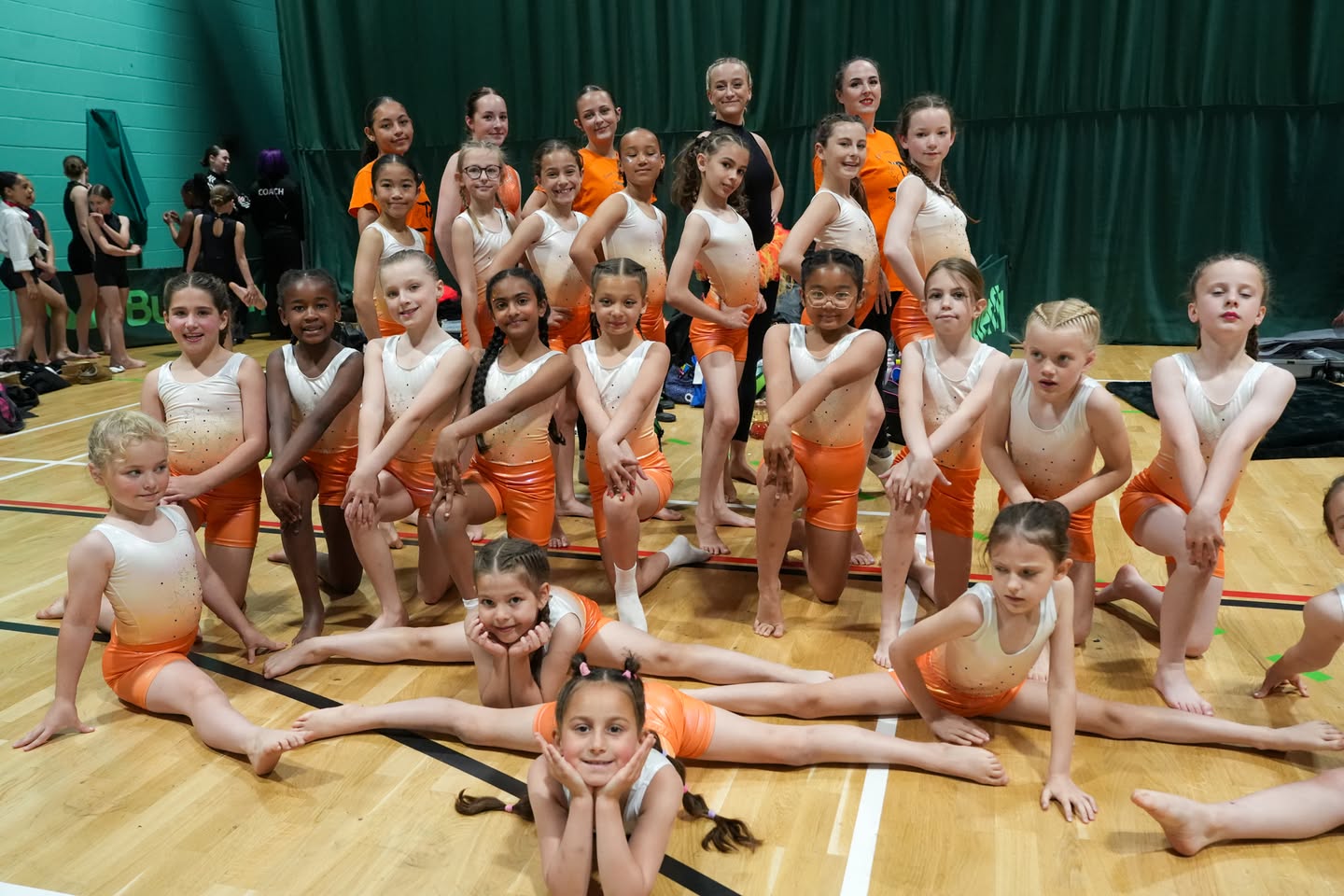
Swan Academy's Junior Squad brought their best to Flip Fest 2026 and walked away with the Best Choreography award. A proud day for the girls and the whole club.
Swan Academy's Junior Squad brought their best to Flip Fest 2026 and walked away with the Best Choreography award. A proud day for the girls and the whole club.

Looking for gymnastics in Stevenage, Hitchin, Arlesey or the surrounding Hertfordshire area? Discover the benefits of returning to gymnastics, useful back-to-school tips and essential kit to help your child begin the new term with confidence.
Looking for gymnastics in Stevenage, Hitchin, Arlesey or the surrounding Hertfordshire area? Discover the benefits of returning to gymnastics, useful back-to-school tips and essential kit to help your child begin the new term with confidence.
Discover why Great Britain has become one of the world’s leading gymnastics nations, how gymnastics benefits children and how to find September classes near Stevenage, Hitchin, Arlesey and North Hertfordshire.
Swan Academy's Junior Squad brought their best to Flip Fest 2026 and walked away with the Best Choreography award. A proud day for the girls and the whole club.